



敏感肌用製品に最適なスキンケアチューブパッケージの選択肢

当社はワンストップサービスのカスタマイズ化粧品パッケージ工場であり、化粧品チューブ、スクイーズチューブ、ABLチューブ、PBLチューブ、エアレスポンプチューブ、リップグロスチューブ、スキンケアチューブのカスタマイズにおいて20年以上の豊富な経験があります。 PCR(使用済みリサイクル材) チューブ など
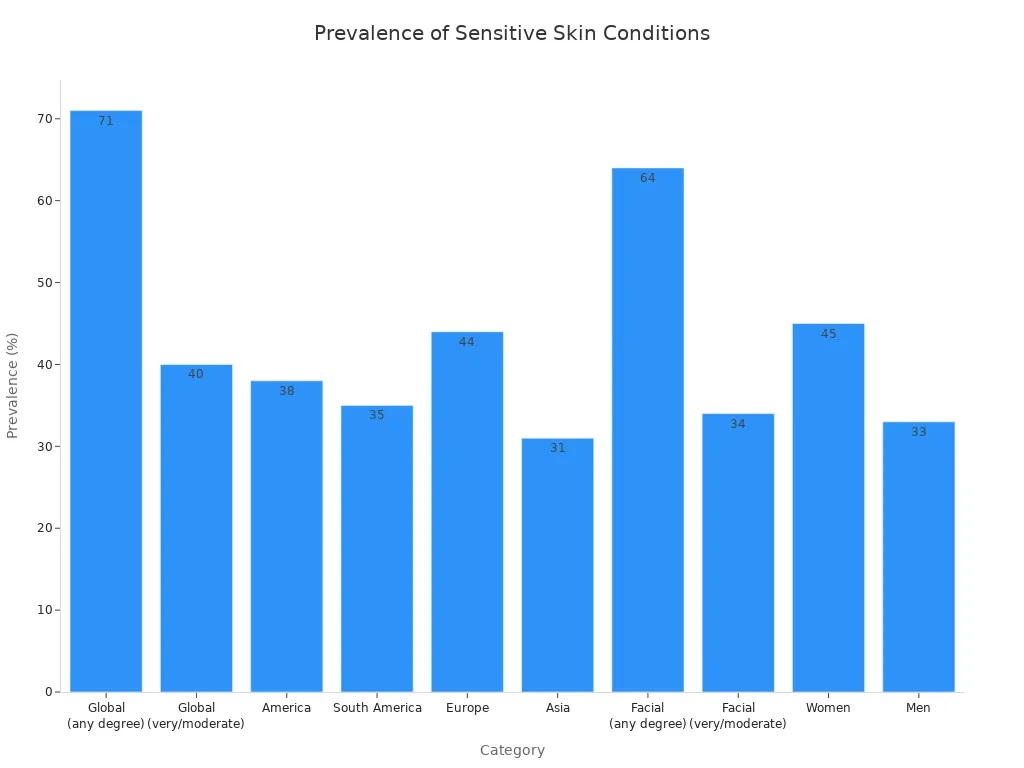
あなたの肌には、肌を守るパッケージが必要です。最近の世界的なデータによると、敏感肌がどれほど広く蔓延しているかが明らかになっています。
|
カテゴリ |
有病率(%) |
|---|---|
|
グローバル(学位不問) |
71 |
|
顔面(あらゆる程度) |
64 |
|
女性 |
45 |
|
ヨーロッパ |
44 |
敏感肌用製品の場合、最適なスキンケアパッケージはポリプロピレンやポリエチレンなどの不活性素材を使用しています。カスタムスキンケアチューブ化学物質の溶出を防ぎます。LDPEまたはアルミニウム製の絞り出し式化粧品チューブ包装は、信頼性の高い代替品となります。化粧品包装に適したチューブを選ぶことは、製品の処方とお客様の安心を守ることにつながります。リッソンはこの責任を深く理解しています。
主なポイント
- 有害な化学物質が製品に溶け出すのを防ぐため、ポリプロピレンやポリエチレンなどの不活性素材で作られた包装材を選びましょう。
- エアレスチューブは酸素や汚染物質を遮断するため、保存料の使用量を減らし、賞味期限を延ばすことができます。
- LDPEチューブは軽量製品に適した柔軟性と安全性を備え、一方、アルミニウムチューブは光と酸素に対する最大限の保護を提供する。
- 製品の安定性と保存性を確保するために、製品の粘度や保存ニーズに合わせてパッケージを選択してください。
- 敏感肌と環境の両方を守るために、リサイクル可能で環境に優しい包装材を選びましょう。
敏感肌用製品のパッケージが重要な理由
敏感肌は、触れるものすべてに反応します。それは、製品があなたの手元に届く前に触れるものにも当てはまります。容器選びは、製品の成分と肌の健康を守る上で非常に重要な役割を果たします。従来の包装材の多くには、時間の経過とともにスキンケア製品に移行する可能性のある化学物質が含まれています。
化学物質の溶出リスク
プラスチック包装には、素材自体に化学的に結合していない添加物が含まれていることがよくあります。BPAやフタル酸エステル類は、特に熱、紫外線、酸性物質や脂肪性物質、物理的な摩耗にさらされると、継続的に溶出します。消費者製品によく含まれるフタル酸エステル類には、DEHP、DBP、DEP、DINPなどがあります。これらの物質は、体内のホルモンに干渉する内分泌かく乱物質として知られています。
従来のプラスチック製化粧品包装は、フタル酸エステル類を含むPVCプラスチックと、ビスフェノールA(BPA)を含むポリカーボネートプラスチックの2種類に分類されます。どちらも内分泌かく乱物質として知られています。化粧品では、製品に含まれる油分や溶剤が時間の経過とともにプラスチックの強度を低下させ、フタル酸エステル類やBPAが製剤中に溶出するリスクが高まります。研究により、特定のがんや発達障害に関連する「高懸念」化学物質が約80種類特定されています。これらの物質への曝露は、肥満、糖尿病、心臓病にも寄与する可能性があり、その影響は時間とともに蓄積されます。
熱、時間、酸性度、そして製品中の脂肪分は、包装材から内容物への化学物質の溶出を促進する可能性があります。朗報は、暴露を減らすことで、一部の健康被害は回復できるということです。BPAやフタル酸エステル類は数日で体内から排出され、ホルモンレベルの変化は数週間で起こります。不活性素材で作られた特注のスキンケアチューブを選ぶことで、このリスクを完全に排除できます。
汚染と酸化の脅威
酸素にさらされると酸化反応が引き起こされ、脂溶性抗酸化物質の安定性が損なわれ、劣化や効果の低下につながります。この酸化ストレスによって抗酸化物質が枯渇し、フリーラジカルが油、乳化剤、防腐剤などの他の成分を攻撃し、製品の臭いや色が変化する可能性があります。ビタミンCは非常に不安定で、酸素、光、熱、不適切な配合条件にさらされると劣化します。酸化してしまうと、成分が期待される効果を発揮しなくなるため、ラベルに記載されている含有量は意味をなさなくなります。
パッケージデザインは、微生物学的安全性にも影響を与えます。広口瓶や開口部の広いボトルは、湿った汚染された環境に広い表面積をさらすため、微生物汚染のリスクを大幅に高めます。その結果、皮膚刺激、アレルギー性接触皮膚炎、感染症、製品の劣化などが引き起こされます。エアレス設計のスクイーズ式化粧品チューブパッケージは、空気への繰り返し接触を防ぎ、汚染を抑制します。効果的なパッケージは酸素への接触を制限し、抗酸化物質の寿命を延ばします。エアレスディスペンサーやポンプシステムは空気への繰り返し接触を防ぎ、ヘッドスペースの少ない容器は酸素のない環境を作り出します。敏感肌用製品にとって、このような保護は不可欠です。リッソン当社のスキンケア製品のパッケージは、不活性で肌に安全な素材のみを使用しており、初回使用時から最終使用時まで、製品の安定性、純度、有効性を保証します。
スキンケア製品のパッケージで注目すべき主な特徴
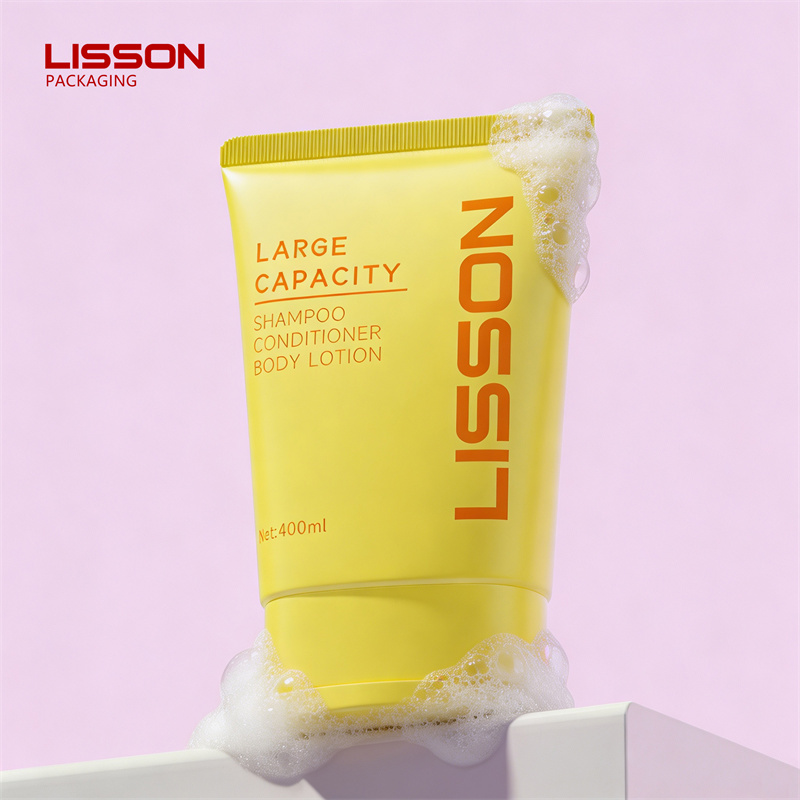
敏感肌用製品のパッケージを選ぶ際には、特定の機能が他の機能よりも重要になります。化学物質の移行、酸素への曝露、微生物の増殖から製品を保護する容器が必要です。スキンケア製品のパッケージの選択は、製品の性能のあらゆる側面に影響を与えます。適切なスキンケア製品のパッケージは、不活性素材とスマートなデザインを組み合わせることで、製品を最初の使用から最後の使用まで純粋に保ちます。パッケージの選択は、製品の安全性と顧客の快適さに直接影響します。
不活性材料、BPA不使用
ポリプロピレン(PP)、ポリエチレン(PE)、低密度ポリエチレン(LDPE)などの不活性材料は、製品と反応しません。これらの包装材料にはBPAやフタル酸エステル類は含まれていません。有害物質が製品に混入するのを防ぎます。BPAは深刻な健康リスクをもたらすため、このような保護は非常に重要です。
- BPAは、体内でエストロゲンを模倣したり阻害したりする内分泌かく乱物質として作用します。
- 科学的研究により、BPAは生殖障害、神経発達遅延、免疫系機能障害と関連付けられている。
- BPAはホルモン関連がんのリスクを高める
- 欧州食品安全機関は2023年にBPAの許容一日摂取量を2万分の1に引き下げた。
「『BPAフリー』という表示は、非常に誤解を招くものです。通常、あるビスフェノールが別のビスフェノールに置き換えられただけであり、ビスフェノールは200種類以上もあります。中には、BPAと同程度、あるいはそれ以上に有害なものもあるかもしれません。」 - バーナード・ロベール、マギル大学ジェームズ・マギル教授
BPAの一般的な代替物質であるBPSとBPFも、内分泌系をかく乱する可能性があります。BPSは、1兆分の1という低濃度でも細胞機能を阻害します。2014年の研究では、455種類のプラスチック製品を検査したところ、「BPAフリー」の表示に関わらず、ほぼすべての製品からエストロゲン様化学物質が溶出していることが判明しました。一般的なボトルやジャーには、こうした問題のある化合物が含まれていることがよくあります。BPAとその代替物質は、容器が加熱されたり、内容物に脂肪や酸性物質が含まれている場合に、製品に溶け出しやすくなります。スキンケア製品にはオイルが含まれていることが多く、このリスクを高めます。アルコールベースのハンドクリーナーも、皮膚からのBPA吸収を増加させるため、皮膚接触が重要な曝露経路となります。不活性PPまたはPEで作られた特注のスキンケアチューブを使用すれば、この懸念は完全に解消されます。そもそもビスフェノール類を含まない素材を選ぶことで、誤解を招く「BPAフリー」の罠を回避できます。
エアレス設計と最小限の添加物
エアレスポンプチューブは、製品を吐出する際にピストンが上昇することで真空シールを形成します。この機構により、容器内に空気が入るのを防ぎます。また、標準的な瓶やチューブで酸化や汚染の原因となるヘッドスペースや空気の逆流を排除します。一方、従来のポンプチューブは、使用後に容器内に空気を吸い込むディップチューブを使用しているため、酸素や汚染物質が製品を劣化させる原因となります。
|
側面 |
エアレスポンプ |
標準ジャー/チューブ |
|---|---|---|
|
微生物汚染リスク |
開封済みの瓶と比較して、約95%削減 |
空気の逆流が継続し、指が触れるため、リスクが高い。 |
|
製品排出率 |
避難率95~98%を達成 |
製品の10~20%が閉じ込められる |
|
酸化防止 |
真空シールは酸素を完全に遮断します |
空気の逆流は、敏感な成分の酸化を引き起こす。 |
この設計は、敏感肌向け製品に直接的なメリットをもたらします。酸素が製品成分に触れないため、安定性を維持するために必要な防腐剤の量を減らすことができます。防腐剤の量が少なくなれば、肌への刺激のリスクも軽減されます。このスキンケア上の利点は、特に敏感肌のお客様にとって重要です。また、エアレス構造は湿気の侵入を防ぎ、製品の質感と効果を一定に保ちます。絞り出し式化粧品チューブパッケージwith airless technology offers this protection while remaining easy to use. This skin care packaging approach reduces your preservative load while maintaining product integrity.
The environmental impact matters too. Many airless tubes now use recyclable mono-material plastic, making them an eco-friendly packaging choice. You protect your customers' skin and the planet simultaneously. This eco-friendly approach aligns with growing consumer demand for sustainable options. When you choose airless tubes made from inert materials, you select packaging that works harder for your formulation and your customers' comfort.
Top Tube Packaging Options Compared
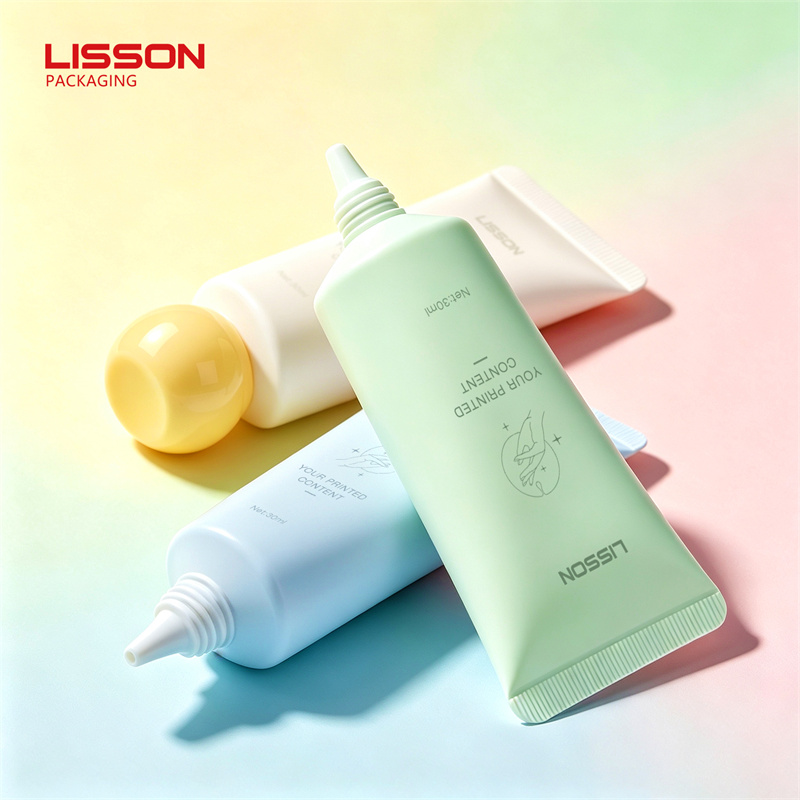
Three main tube types dominate the market for sensitive skin products. Each offers distinct advantages depending on your formulation's needs. Understanding these differences helps you make an informed choice for your brand.
Airless Tubes: The Gold Standard
Airless tubes represent the pinnacle of modern skin care packaging. These systems use a piston mechanism that rises as you dispense product, creating a vacuum seal. This design prevents air from entering the container, eliminating oxidation and contamination risks.
The benefits extend beyond protection. Mono-material recyclable designs use a single plastic type for all components—pump, tube body, and cap. This approach simplifies recycling and eliminates mixed-material waste, making it an eco-friendly choice for environmentally conscious brands.
Precise dosing matters for sensitive skin. Piston systems allow up to 95% product evacuation and controlled dispensing. This precision prevents overuse of active ingredients that might irritate delicate skin. The oxygen-free environment doubles or triples shelf life, allowing preservative-free and organic formulations to remain stable for 12-18 months without harsh preservatives.
The sealed environment preserves peptides, antioxidants, and natural extracts. Your product maintains its color, fragrance, and efficacy throughout its lifespan. This protection proves invaluable for luxury skincare lines that prioritize ingredient integrity.
The three-in-one airless configuration design makes the packaging easy to disassemble, refill, and recycle. Users can simply twist to access and replace the cartridge section, avoiding metal contamination during recycling. This achieves a perfect blend of environmental friendliness and functionality.
For brands seeking custom skincare tubes, airless options offer extensive design flexibility. You can choose various shapes, sizes, and dispensing mechanisms while maintaining superior protection.
LDPE and Aluminium Tubes: Reliable Alternatives
Low-density polyethylene (LDPE) tubes offer a balance of safety and flexibility. LDPE is the softest and most flexible option for cosmetic tubes. Creams, gels, and lotions dispense with barely a squeeze, reducing user effort significantly.
LDPE's flexibility is particularly valuable in applications such as intravenous lines, drainage tubes, and feeding tubes, where patient comfort and ease of insertion are paramount—demonstrating its proven flexibility in contexts requiring gentle, safe contact with sensitive areas.
This flexibility translates directly to user experience. Because LDPE bends easily, users don't have to wrestle with the tube. This gentle, low-friction application suits sensitive skin products perfectly. LDPE is non-toxic and does not leach harmful chemicals, making it safe for cosmetic packaging applied directly to the skin. It also meets regulatory standards for cosmetic packaging, ensuring consumer safety.
Aluminium tubes provide maximum protection for the most sensitive formulations. The barrier comparison reveals significant differences:
|
Barrier Property |
LDPE (Plastic) Tubes |
Aluminium (ABL) Tubes |
|---|---|---|
|
Light |
Minimal light barrier |
Maximum protection from light |
|
Oxygen |
Poor barrier in mono-layer; good with EVOH layers |
Absolute oxygen barrier |
|
Moisture |
Highly resistant; EVOH degrades in humidity |
Completely unaffected by moisture |
Aluminium is completely impermeable, forming a total barrier against oxygen, moisture, light, and microorganisms. Plastic tubes, even high-grade multilayer ones, remain semi-permeable. Gases and moisture slowly pass through plastic walls over time.
Aluminium tubes undergo non-reversible deformation when squeezed. This prevents air from being sucked back in. Plastic tubes regain shape and draw air back inside, compromising product quality. Aluminium tubes receive internal lacquer coatings to prevent chemical interaction with formulations. Plastic can absorb ingredients or leach chemicals into the product.
ABL (Aluminium Barrier Laminate) tubes combine plastic layers with a thin aluminium foil barrier. They provide excellent protection against oxygen, moisture, light, and external contamination. These tubes suit sensitive formulas like toothpaste, sunscreen, and pharmaceutical creams. They support high-quality printing and premium decoration while maintaining product stability.
The cost difference matters. Aluminium tubes cost 30-50% more than plastic and weigh more, increasing shipping expenses. However, for formulations requiring maximum protection, this investment proves worthwhile.
When comparing types of skincare packaging, consider your product's specific vulnerabilities. Squeeze cosmetic tube packaging from LDPE offers affordability and ease. Aluminium provides unmatched protection. Airless tubes combine modern design with superior preservation. Your choice of packaging materials directly impacts product efficacy and customer satisfaction. The right tube protects your formulation and builds trust with sensitive skin consumers. Consider recyclability alongside protection to meet sustainability goals. These packaging decisions shape your brand's reputation and your customers' experience.
How to Choose the Right Skincare Packaging
Your formulation's viscosity should guide your first packaging decision. Thick creams and balms perform well in tubes because squeezing controls dispensing and prevents oxidation. Lighter lotions and serums work better in bottles with pumps or droppers, which allow precise, hygienic application. Water-based toners suit mist sprayers or disc-top caps for even distribution. The general rule is simple: a package that works for one formula may fail with another. Essential oils, alcohol, acids, and high-viscosity products can affect plastics, seals, and pumps, so compatibility testing is essential.
|
Formulation Type |
Key Packaging Requirement |
|---|---|
|
Water-based (toners, serums) |
Excellent moisture barrier to prevent microbial growth; inner layer must not adsorb or react with active ingredients |
|
Oil-based (skincare oils) |
Inner layer with good chemical inertness (e.g., CPP or PE) to prevent softening or leaching of additives |
|
Highly active (retinol, Vitamin C) |
High-barrier structures with aluminum foil layer combined with light-blocking design |
|
Anhydrous/low-moisture (powders, pastes) |
High moisture protection and sufficient mechanical strength to prevent transport damage |
Matching Tube Type to Product Consistency
For thicker formulations, custom skincare tubes offer distinct advantages. Airless tubes suit rich creams because the piston mechanism evacuates up to 95% of the product and prevents air backflow. This design protects sensitive ingredients from oxidation while maintaining consistent texture. LDPE tubes work well for lighter gels and lotions, providing flexibility and easy dispensing with minimal effort. Aluminium tubes offer maximum protection for the most sensitive formulations, forming a complete barrier against light, oxygen, and moisture. Your choice of packaging materials directly affects how well your product survives from first use to last.
Balancing Preservation Needs with User Convenience
Products with fewer preservatives benefit most from airless or aluminium tubes to extend shelf life and maintain efficacy. Packaging choice substantially affects preservative requirements. An open jar entered with fingers introduces air, water, and skin flora on every use, demanding a robust preservation system. Airless pumps, sealed tubes, and single-use ampoules limit that ingress and permit lighter systems. For the same formula, a pump is a safer container than a pot.
Packaging is essential when preservative levels are kept to a minimum. Unit-dose formats, pumps, and airless dispensers can lower the risk of contamination. In order to preserve microbiological quality, CPSRs should describe how formulation and packaging cooperate.
Opaque packaging protects light-sensitive ingredients like retinol or Vitamin C from degradation. Transparent containers expose your product to UV light, reducing potency over time. Air-tight seals prevent oxidation and preserve effectiveness. Materials like glass or high-density polyethylene prevent contamination from bacteria, dust, or moisture—critical for preservative-free formulations designed for sensitive skin.
Squeeze cosmetic tube packaging balances protection with user convenience. Tubes provide controlled dispensing, portability, and ample decoration area. This design enhances consumer experience while maintaining product integrity. Your packaging decision shapes both safety and satisfaction. Choose materials that protect your formulation and consider recyclability for sustainability. The right tube builds trust with sensitive skin consumers and strengthens your brand reputation.
Choosing the best skincare packaging for your sensitive skin products means selecting inert packaging materials that block chemical leaching, light, and oxygen. Airless tubes deliver superior protection. LDPE and aluminium serve as reliable alternatives. Your choice should also prioritize sustainability through recyclability. Eco-friendly packaging options include mono-material design and fiber-based materials. These choices support environmental goals. Lisson's skin care packaging meets these rigorous standards. Our materials ensure both safety and efficacy. Luxury brands trust our design. We help you select the right option for your skincare products. From bottles to jars, we prioritize protection and recyclability. Recyclable options reduce waste while supporting your goals. Fiber-based options with FSC certification provide proof of your commitment. This approach protects both your customers and the planet.
FAQ
What makes airless tubes the best choice for sensitive skin products?
エアレスチューブは容器内への空気の侵入を防ぎます。これにより酸化や汚染が防止されます。防腐剤の使用量を減らすことができるため、刺激のリスクも軽減されます。真空シールにより、製品の最大95%を排出することも可能です。このパッケージ設計は、スキンケア製品の処方を完全に保護します。エアレス包装材は、製品の純度を維持するために最大限の効果を発揮します。
LDPEチューブは敏感肌にも安全ですか?
はい。LDPEは無毒で、有害な化学物質を溶出しません。柔軟性があり、絞りやすいので、肌に優しい使い心地です。LDPEは、軽いローションやジェルに適しています。光や酸素から最大限に保護したい場合は、アルミチューブをご検討ください。この絞り出し式化粧品チューブは、スキンケアにおいて確かな安全性を提供します。
パッケージにBPAが含まれているかどうかは、どうすればわかりますか?
リサイクルコード3(PVC)または7(ポリカーボネート)を探してください。これらはBPAやフタル酸エステル類を含むことが多いです。代わりにPPまたはPE製のパッケージを選びましょう。これらの不活性素材にはビスフェノール類は含まれていません。「BPAフリー」の表示があるかどうか確認してください。ただし、この表示は誤解を招く可能性があることに注意してください。信頼できるサプライヤーから特注のスキンケアチューブを入手すれば、この問題を完全に回避できます。
エアレスチューブはリサイクルできますか?
現代のエアレスチューブの多くは、単一素材のリサイクル可能なプラスチックを使用しています。つまり、すべての部品に同じ種類のプラスチックが使われているということです。そのため、複数の素材が混在するチューブよりも簡単にリサイクルできます。この環境に優しいパッケージングは、お肌と地球環境の両方を同時に守ります。持続可能なスキンケアパッケージは、製品の安全性を維持しながら、環境負荷を軽減します。
防腐剤不使用の製品には、どのような包装が最適でしょうか?
エアレスチューブまたはアルミニウム管最も効果的です。酸素と光を完全に遮断します。これにより、刺激の強い防腐剤を使用せずに製品の保存期間を延ばすことができます。製品は12~18ヶ月間安定した状態を保ちます。この保護効果は、防腐剤に反応する敏感肌の方にとって重要です。スキンケア製品の成分の品質を最優先するパッケージを選びましょう。